Anyone can build it. Mine still runs.
If the cheap build broke, I fix it. If it doesn't exist yet, I build it. Fixed price, and you own it.
Something has fundamentally changed.
For centuries, progress was bound by one thing: how many people you could put to work. The machine changed that. One person with the right machine did the work of fifty.
Today it's happening again. Intelligent systems do for software what the machine did for labor. One small, sharp team now builds what used to take dozens of people and years.
Curaçao was always held back by one thing: manpower. That's over. The island is ready to build, and now it can.
Four ways in, in order of commitment.
Teach the people, read what exists, decide what to build, build it. Most work starts lower down the list than people expect, and that is usually the cheaper mistake to make. You don't have to pick. Answer four questions and I'll tell you which one I'd recommend, and whether you should hire me at all.
Anyone can throw something together with AI. I build software that holds.
AI makes it easy to demo something fast. A demo is not a system. Most software built this way is insecure, collapses as it grows, and nobody can explain how it works.
I work differently. I built my own engineering machinery: a shared memory, so nothing is learned twice, and an enforced rulebook that checks every line of code against my standards before it ships. My standards are not a promise. They are built into the systems. Code that violates them doesn't make it through.
That's the difference between a demo and a system you can run your business on.
How this differs from ordinary AI.
Ordinary AI guesses. The answer sounds right, with no guarantee that it is. Fine for a conversation. A risk for software your business runs on.
My systems work differently. Every step traces back to its source, and every line is checked against enforced standards before it ships. You never have to trust a black box: the system proves itself.
How I build.
Full-stack systems, front to back. Typed APIs, event-driven pipelines, and data layers that stay correct under load. Automated tests and CI on everything I ship. Security and access control designed in from the first line. Architecture meant to be extended, not thrown away in two years.
My background is fintech: systems where money moves and one mistake is a disaster. Every build is held to that standard, whatever the stakes.
From boxes on shelves to a shop that sells.
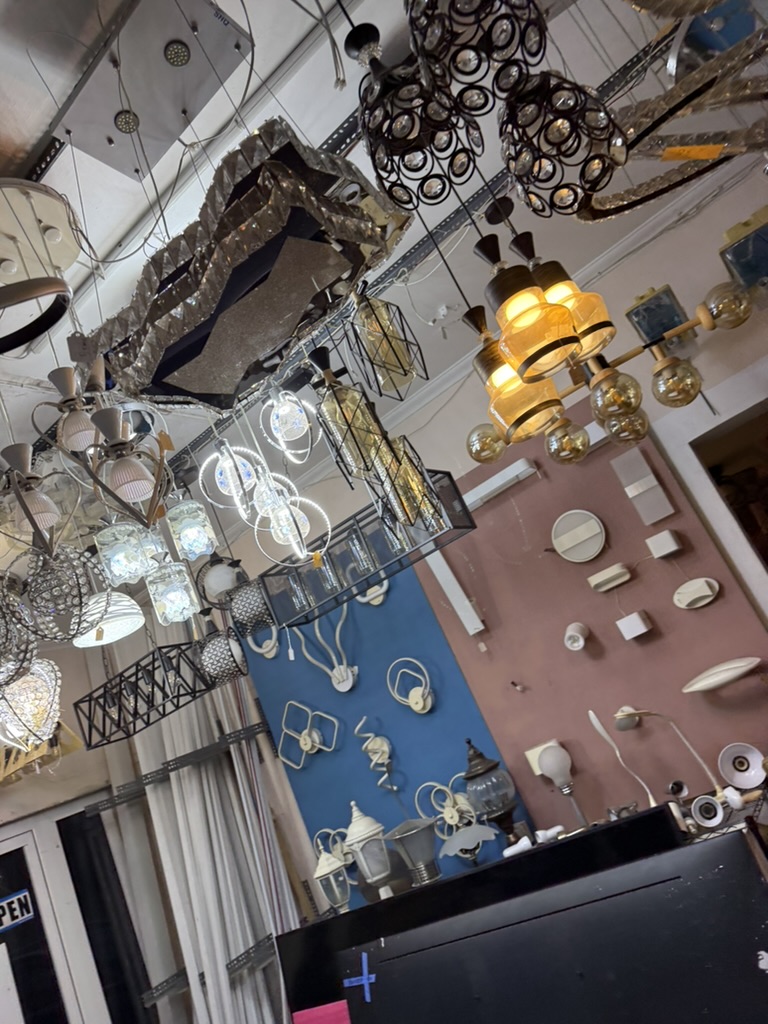
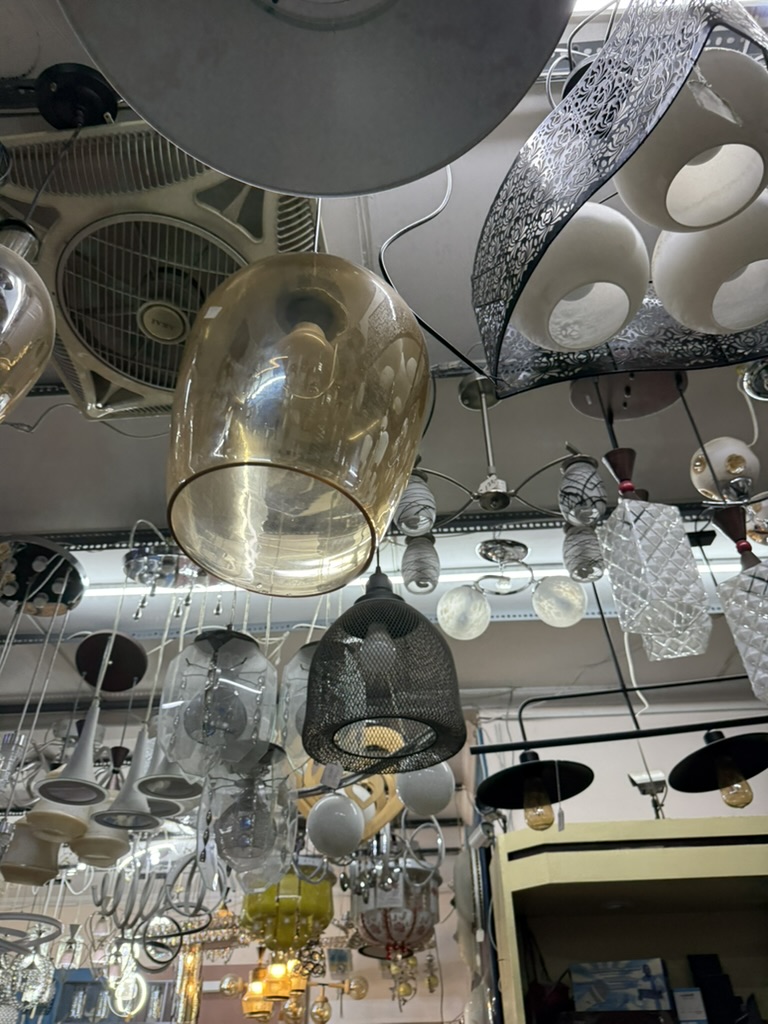
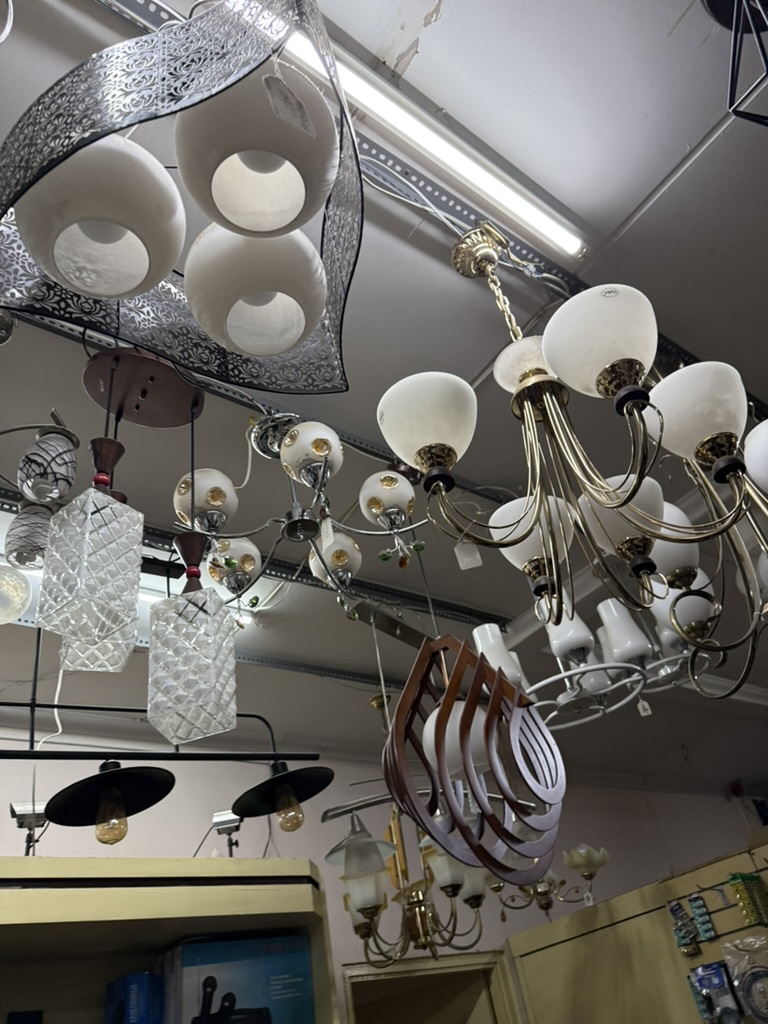
My father's lighting shop in Curaçao. About eight hundred products on the shelves, and photographs on a phone. No catalogue, and nothing to put in an advertisement.
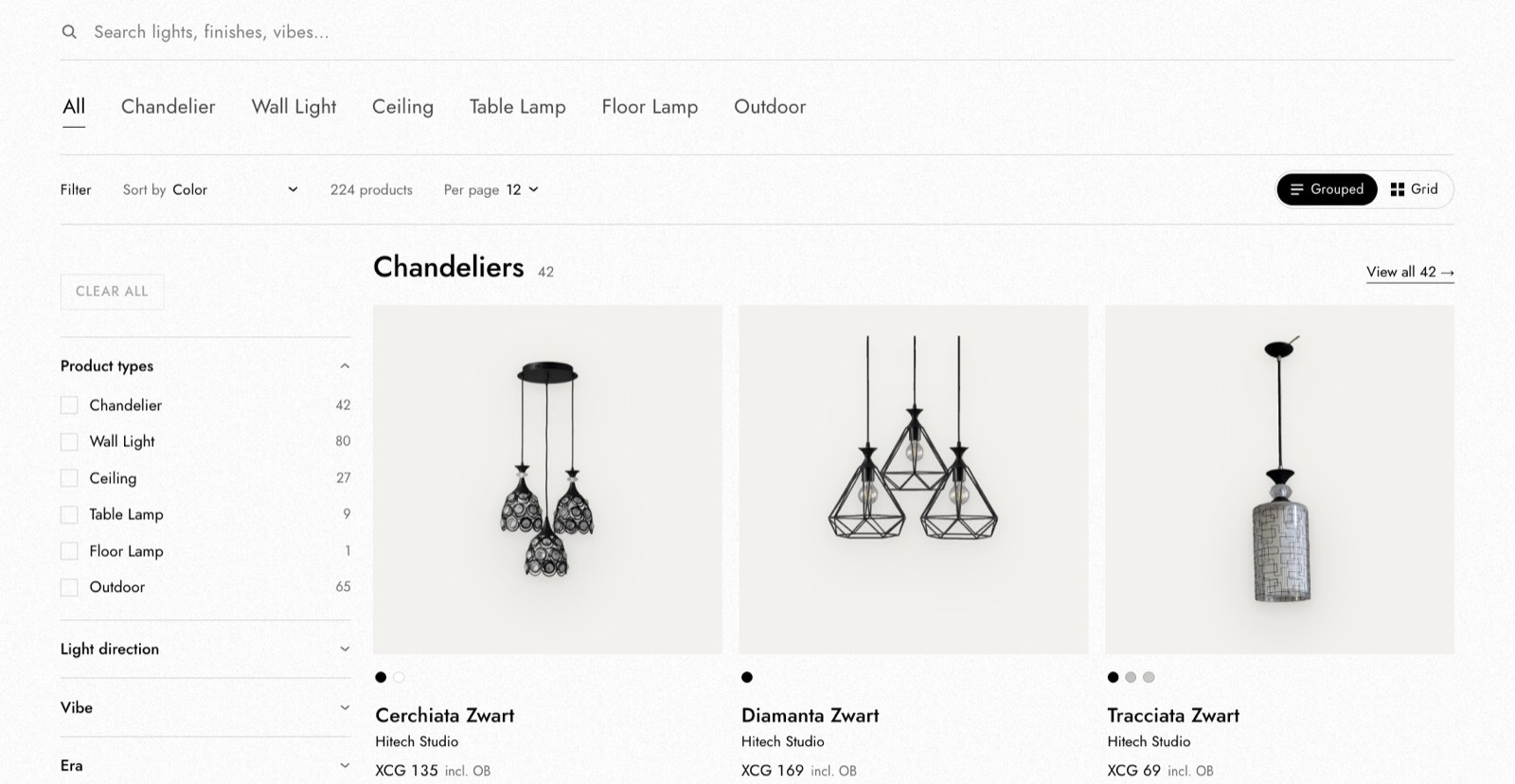
I photographed the showroom. One system finds each product in those photos, re-shoots it as a clean studio image, works out what it's actually for, and puts it in a shop that a customer can search.
About ten cents a product. It runs overnight.
An entire business, in software. Built alone.
I built a complete payment platform, every part of it. The API other systems connect to. The customer portal. Internal operations. The team's interface. And underneath it all, the engine where money moves and nothing may go wrong.
If I can build an entire payments business alone, I can build whatever your business needs.

Three of them.
All fiveA complete payments platform
The whole thing: the API businesses plug into, the page customers pay on, the portal merchants use, the tools staff use. One engineer. AI agents wrote most of the code.
It runs. Real money moves through it. A small team operates it without me standing over them.
Read the studyA lighting shop that had nothing to sell online
Eight hundred products, no catalogue, photos on a phone. Now one system makes the product photography, the ad material, and a shop that answers the question a customer actually asked.
A business with nothing to advertise now makes its own campaigns, from its own shelves, overnight, for about ten cents a product.
usehitech.comA shop's whole workflow, without touching the POS
Custom orders lived in conversations, memory, and an old system nobody could read. Now the whole floor runs on software, and the till system it all depends on was never written to.
Nobody asks where an order stands any more. The screen already says. The directors can watch the shop without interrupting it. And if my software vanished tomorrow, the shop would still sell.
Read the studyWork for the community.
Some things I build because they matter, not because they pay. I work free of charge for charities and community organizations in Curaçao, with the same care I bring to paid work.
CARF Curaçao
A new site for adoptions and donations, rebuilt in days.
Non-profit tooling
Design, data and software for non-profits looking to scale their work.
The island is ready to build. So am I.
Find out where your business loses time and grip. Free and no-obligation.